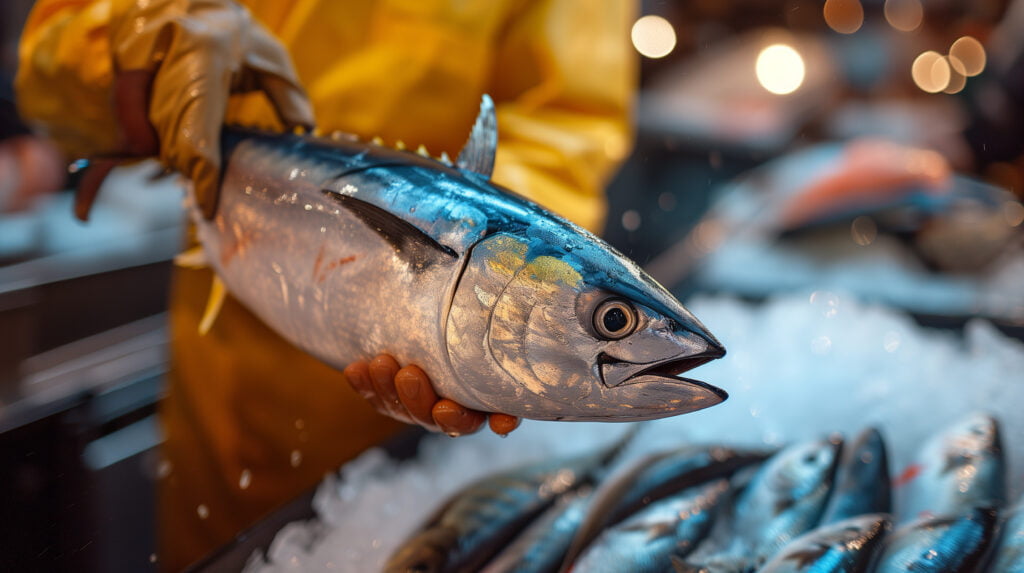

- Strategic angling techniques unlock potential with Riverspin for improved success
- Understanding Current Dynamics and Fish Behavior
- The Importance of Reading the Water
- Implementing Flow Control Techniques
- Adjusting Weight and Line for Optimal Presentation
- Leveraging River Structure for Enhanced Success
- Utilizing Edges and Seams Around Structure
- Advanced Techniques for Current Breaks
- The Role of Observation and Adaptation
Strategic angling techniques unlock potential with Riverspin for improved success
The pursuit of successful angling often hinges on understanding the nuances of water flow and how fish respond to it. Traditional methods can be effective, but innovative techniques are constantly being developed to improve a fisherman’s chances. Among these, a relatively recent development gaining traction is the application of specific current breaks using specialized tools. This approach, often centered around a technique known as Riverspin, aims to create a more enticing and natural presentation of bait or lures to fish inhabiting moving water. It’s a strategy that requires a shift in thinking, moving beyond simply casting into the current and towards actively manipulating the flow to your advantage.
Effectively targeting fish in rivers demands a keen observation of the environment. Factors like water speed, depth variations, and the presence of obstructions all play crucial roles. Fish are naturally inclined to conserve energy, seeking positions where they can hold steady while ambushing prey or easily intercept drifting food sources. Recognizing these preferred spots is paramount. Mastering these fundamentals, coupled with the controlled manipulation of currents, can dramatically increase an angler’s success rate. Understanding how to effectively employ such techniques, particularly those associated with the principles of a carefully managed flow, is becoming increasingly important for modern anglers.
Understanding Current Dynamics and Fish Behavior
Rivers are rarely uniform; they’re dynamic systems characterized by a complex interplay of currents. These currents aren’t simply a consistent flow from point A to point B. Instead, they're riddled with variations – faster runs, slower pockets, seams where currents converge, and eddies where the flow reverses. Fish instinctively position themselves in relation to these current features, capitalizing on the energy efficiency of holding in a less turbulent zone while still being able to access food brought to them by the flow. Knowing where to find these areas is the first step. Recognizing the subtle cues – surface disturbances, the way debris moves, and changes in bottom composition – can reveal the hidden currents that fish exploit. Successful angling isn’t about blindly casting; it’s about precision targeting based on a solid understanding of underwater hydraulics.
The behavior of fish within these currents is also dictated by species and feeding habits. Predatory fish will often lie in ambush behind obstructions, using the current to deliver food directly to them. Other species may actively forage in seams, taking advantage of the increased food concentration. Still others will seek out slower pockets to conserve energy. Therefore, understanding the preferred habitat and feeding strategies of the target species is essential. This information will influence not only where you cast but also how you present your bait or lure. A skilled angler doesn’t just present an offering; they present it in a way that mimics the natural movement of prey, triggering a predatory response. Adaptability is key, as conditions can change rapidly within a river environment.
The Importance of Reading the Water
The ability to “read the water” is arguably the most valuable skill an angler can possess. This involves actively observing the surface for clues about the underwater structure and flow patterns. Look for subtle ripples and eddies that indicate underwater obstructions or changes in depth. Pay attention to the way currents break around rocks, logs, or weed beds – these are prime locations for fish to hold. Also, observe the movement of surface debris – it will often trace the paths of underwater currents. Learning to interpret these visual cues takes time and practice, but the rewards are significant. Consider the light conditions; a low sun angle can reveal details that are invisible during midday. Spending time simply observing the river without a rod in hand can dramatically improve your ability to identify productive fishing spots.
Beyond visual cues, understanding the geological features of the riverbed is important. Rivers often have deeper channels, gravel bars, and areas where the bottom is composed of silt or sand. These variations influence current flow and provide different types of habitat for fish. Using a depth finder or simply probing with a weighted line can help you map out the underwater terrain. This information allows you to target specific areas with greater precision. Remember that rivers are constantly changing; erosion and deposition can alter the landscape over time. Regularly scouting your fishing spots is essential to stay ahead of these changes.
| Current Feature | Fish Behavior |
|---|---|
| Fast Runs | Fish may hold on the edges or behind obstructions to conserve energy. |
| Slow Pockets | Ideal for resting and waiting for food to drift by. |
| Seams | Prime feeding locations with increased food concentration. |
| Eddies | Offer refuge from the main current and can harbor larger fish. |
Understanding the interplay between current features and fish behavior allows anglers to make informed decisions about where to cast and how to present their offerings. It’s about moving beyond simply reacting to what you see and instead anticipating where fish are likely to be holding.
Implementing Flow Control Techniques
Once you understand how fish relate to currents, the next step is to actively manipulate those currents to your advantage. This is where techniques such as those related to the concept of a controlled flow come into play. The core principle is to create a more natural and enticing presentation of your bait or lure by controlling its drift and movement. Rather than simply letting the current carry your offering downstream, you subtly influence its path, making it appear more lifelike. This can involve adjusting your casting angle, using specialized weights to control sink rates, or employing techniques that actively break or redirect the current. This kind of adjustment can be crucial in triggering a strike from a wary fish.
A key aspect of flow control is understanding how different weights and line types affect the presentation of your offering. Heavier weights will sink faster and maintain better contact with the bottom, while lighter weights will allow for a more natural drift. The type of line you use – fluorocarbon, monofilament, or braid – also influences the presentation. Fluorocarbon is nearly invisible underwater, making it ideal for clear conditions, while braided line offers greater sensitivity and strength. Experimenting with different combinations of weights and line types is essential to find what works best in a given situation. The goal is to create a presentation that is both natural and effective, mimicking the movement of live prey.
Adjusting Weight and Line for Optimal Presentation
The selection of weight and line is heavily influenced by the specific characteristics of the river and the target species. In faster-flowing water, a heavier weight is often necessary to maintain contact with the bottom and prevent your offering from being swept away too quickly. However, too much weight can negatively impact the natural drift, making your bait or lure appear unnatural. In slower-flowing water, a lighter weight is preferable, allowing for a more subtle presentation. The line type also plays a role. Fluorocarbon line has a low refractive index, making it nearly invisible underwater, which is ideal for clear water conditions. Braid line, while more visible, offers greater sensitivity and allows you to detect subtle strikes more easily.
Consider the depth of the water when choosing your weight. If you’re fishing in shallow water, a lighter weight is sufficient. In deeper water, you’ll need a heavier weight to get your offering down to the desired depth. It's also important to consider the type of bottom you’re fishing over. If you’re fishing over a rocky bottom, a heavier weight can help prevent snagging. Experimentation is key; there is no one-size-fits-all solution. Pay attention to how your offering drifts and adjust your weight and line accordingly. The objective is to achieve a presentation that is both natural and effective, maximizing your chances of a strike.
- Adjust weight based on current speed and depth.
- Fluorocarbon line is best for clear water.
- Braid offers superior sensitivity.
- Consider bottom composition to avoid snags.
The nuances of weight and line selection can significantly impact your success. Mastering these adjustments will elevate your angling game and allow you to consistently present your offering in the most effective way possible.
Leveraging River Structure for Enhanced Success
Beyond manipulating the current, understanding and utilizing river structure is crucial for successful angling. Structure refers to any physical feature that disrupts the flow of water or provides cover for fish. This can include rocks, logs, weed beds, fallen trees, and even variations in the riverbed. Fish are naturally drawn to structure because it provides protection from predators, offers access to food, and creates areas where they can conserve energy. Identifying and targeting these areas can dramatically increase your chances of finding fish. Look for areas where the current breaks against a structure, creating eddies or pockets of slower water. These are prime locations for fish to hold.
The type of structure you target will depend on the species you’re fishing for. Different species prefer different types of cover. For example, trout often seek refuge in the shadows cast by overhanging trees or behind large rocks. Largemouth bass, on the other hand, often lurk in weed beds or around fallen logs. Understanding the habitat preferences of your target species is essential for identifying productive fishing spots. Also, consider the time of year. Fish will often change their location based on spawning cycles or seasonal movements. Regularly scouting your fishing spots and adapting your strategy accordingly is crucial for consistent success.
Utilizing Edges and Seams Around Structure
The edges and seams around river structure are often the most productive areas to target. These areas represent a transition zone between fast and slow water, creating a concentration of oxygen and food particles. Fish will often position themselves along these edges, waiting to ambush prey or intercept drifting food. Pay close attention to the way the current interacts with the structure. Look for areas where the current breaks or deflects, creating pockets of slower water. These are prime locations for fish to hold. When casting, aim to present your bait or lure along the edge of the structure, allowing it to drift naturally into the strike zone.
Effective use of structure also requires an understanding of how fish react to your presence. Fish are naturally wary of disturbances in their environment. Therefore, it's important to approach your fishing spots stealthily and avoid making excessive noise. Using a longer rod can help you maintain a greater distance from the fish. Also, consider using a lighter line to minimize visibility. By combining a strategic approach to structure with a stealthy presentation, you can significantly increase your chances of success. Remember, the key is to present your offering in a way that is both natural and enticing.
- Identify areas with significant structural features.
- Target the edges and seams around the structure.
- Approach spots stealthily to avoid spooking fish.
- Use a longer rod and lighter line for optimal presentation.
By combining an understanding of current dynamics, structure utilization, and careful presentation, anglers can significantly enhance their success in river environments.
Advanced Techniques for Current Breaks
Beyond the fundamental principles, several advanced techniques can further enhance your ability to exploit current breaks for better angling results. One such technique involves the use of specialized lures designed to create a more erratic and lifelike action in the current. These lures often feature a unique shape or internal weight distribution that causes them to wobble, dart, and flash, mimicking the movement of injured baitfish. Choosing the right lure for the specific conditions is crucial. In clear water, a more natural-looking lure is often preferable, while in murky water, a lure with a brighter color and more vibration can help attract attention.
Another advanced technique is the use of “mending” your line. This involves lifting your rod tip and subtly repositioning your line upstream to counteract the downstream pull of the current. Mending allows you to maintain a more natural drift and extend your fishing window. It’s particularly useful when fishing with dry flies or nymphs, where a drag-free drift is essential. Mastering the art of mending takes practice, but the rewards are significant. It allows you to present your offering in a more natural and effective way, increasing your chances of a strike. The technique also allows you to control the speed and direction of your drift, adapting to changing current conditions.
The Role of Observation and Adaptation
Angling success isn’t a one-size-fits-all formula. The most effective anglers are those who are constantly observing their surroundings and adapting their techniques accordingly. This involves paying attention to subtle changes in water temperature, clarity, and current speed. It also requires an understanding of the local insect life and the fish’s feeding habits. Keep a fishing log to record your observations and track your results. This will help you identify patterns and refine your strategy over time. Don't be afraid to experiment with different lures, weights, and presentation techniques.
Furthermore, understanding the impact of external factors, like weather patterns and water levels, is essential. A sudden change in weather can dramatically alter the fishing conditions. For example, a heavy rainfall can increase water levels and create new currents, while a cold front can shut down fish activity. Being aware of these factors and adjusting your strategy accordingly can make the difference between a successful fishing trip and a frustrating one. Successful anglers embrace adaptability and are always willing to learn from their experiences. It’s a continuous process of observation, experimentation, and refinement.